Main Meals

Southern-style Pulled Pork

It may seem like a classic overshare, but I recently had a brief (but torrid) romance with a slow cooker that I bought online. Alas it really didn’t end well, but in the three and a half days we were together we did manage to make one great thing – pulled pork.

Ah, pulled pork, how we all love thee.

Arguably the reigning darling of the slow cooking movement, pulled pork is America’s Deep South’s gift to the culinary world. Traditionally slow-cooked and smoked for hours on a barbeque, pulled pork can in fact be cooked in a number of ways including in a slow cooker or even in a conventional oven. I’ve only ever made pulled pork in a slow cooker and its always turned out great, but no matter which method you favour the key word is always SLOW – there is simply no rushing pulled pork.

Although most commonly made with a shoulder of pork, recipes for pulled pork vary wildly from region to region and state to state. Many recipes use a dry rub before cooking, whilst some just use a ‘wet’ recipe where a BBQ sauce is simply slavered over the meat before it’s cooked. Personally I prefer the dry rub method as it most definitely adds more flavour and complexity to the final dish. I also like to leave the skin on the pork as it just offers that extra assurance that the meat won’t dry out – simply peel it off and throw away once the pork is done.

When it comes to the actual “pulling” of the pork many recipes suggest using a couple of forks, but I like to get in there and use my hands. It may be a whole lot messier, but doing it by hand gives you more control over the texture of the pork and it makes it easier to identify any fat or gristle that you may want to remove.

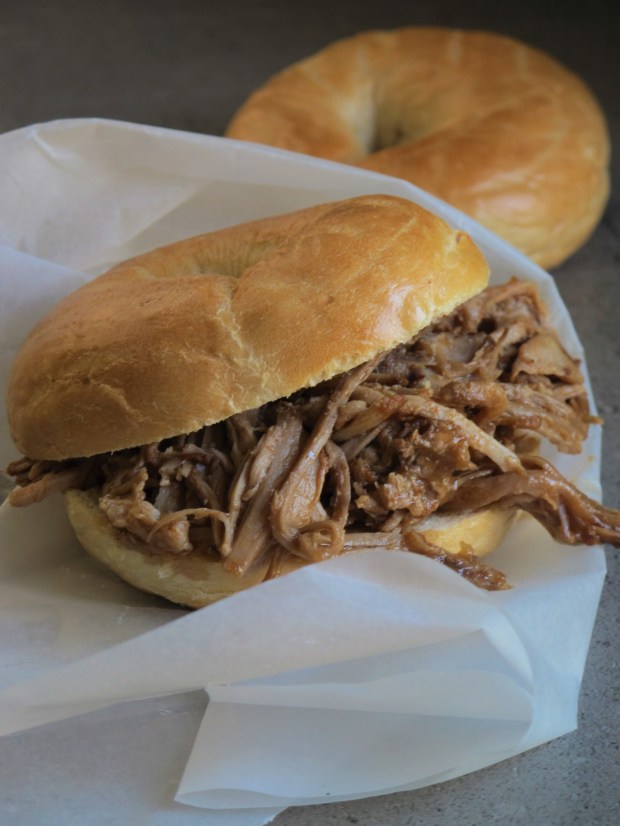
Unsurprisingly, when it comes to serving pulled pork I’m a bit of a traditionalist – it can be served with any type of white bread (any burger bun, bap, pita or pretzel will do), but it should always come with a generous heap of coleslaw on the side (I’m obsessed with Asian Coleslaw at the moment) as well as some extra BBQ sauce.

Note: pulled pork freezes brilliantly
Click here for the recipe

Cape Malay Pickled Fish

Down here in the Cape you always know Easter is just around the corner when a seasonal preoccupation takes hold of our beloved city; yes, I’m talking about our pickled fish obsession.

Like tinsel before Christmas, it seemingly comes out of nowhere.

Overnight supermarkets load tables with tubs of this sweet & sour delight, whole yellowtail is suddenly on the Specials board of your local fishmonger and, most tellingly, internet and food blog searches for pickled fish recipes sky rocket. All pickled portents that tell us one thing – Easter is upon us.

Before its association with Easter, pickled fish was simply a tasty way for the Cape Malay community to make the most of an abundance of fish during the summer months by preserving the fish – allowing them to keep the fish for an extended period of time. This classic Cape Malay dish is the perfect example of the heavy influence of Malaysian and Indonesian culture on Cape cuisine as the pickling liquid is more akin to a sweet and sour curry than any other methods of pickling fish.  Traditionally snoek and yellowtail were the favoured catch as their dense flesh withstands the pickling process especially well, but flaker fish such as cob and hake can also be used although I prefer using yellowtail.

Of course there is also the small matter of what you should serve your pickled fish with.

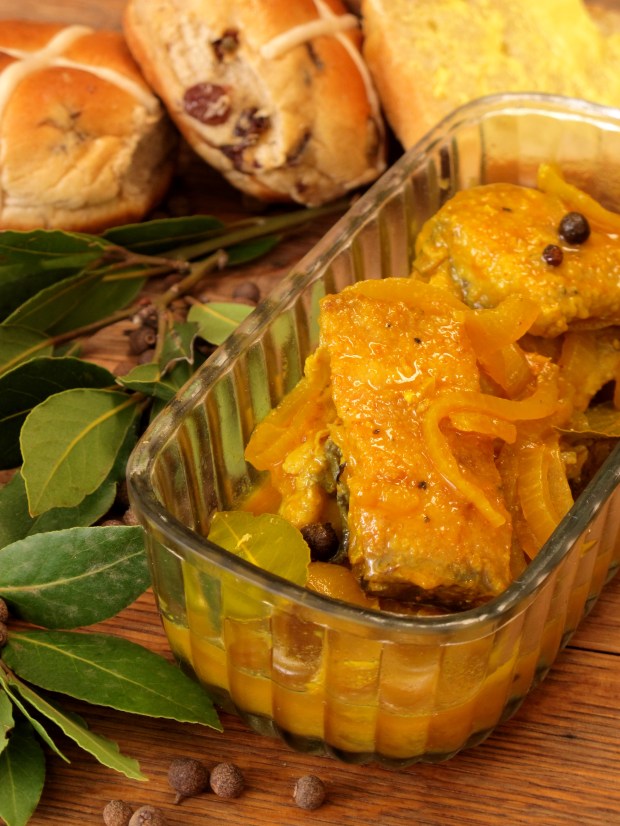
The most common way is to simply have it with buttered white bread, but for those of you with a sense of adventure you can always try it with another Easter treat – hot cross buns. I know this might sound like a crazy and unappealing combination, but there really is method in this Easter mash-up madness. Call it an Easter miracle, but for some reason it really does taste amazingly good!

Pickled fish and hot cross buns; yep, welcome to the true taste of the Cape.

For more South African recipes from the Muddled Pantry, please click HERE

Click here for the recipe

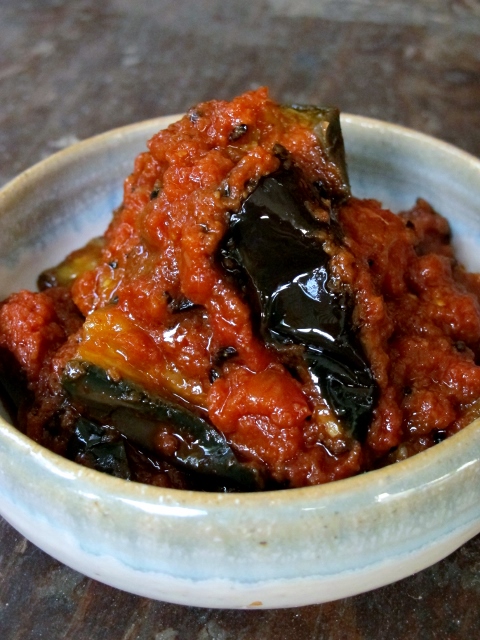
Bhartha (Spicy Indian Eggplant)

Generally speaking I’m an unashamed carnivore at heart, but when it comes to Indian food I’m more than willing to forsake my love of meat and go 100% vegetarian. Not only is this advisable whilst eating in India, the reality is that Indian food is truly a culinary-nirvana for the non-meat eaters amongst us.

Your rogan joshs and butter chickens aside, Indian food is perhaps the most karma-conscious cuisine in the world with a mind-boggling array of vegan and vegetarian dishes to choose from, one is never short of tasty delights from the sub-continent. At any rate, this diversity of dishes make an Indian feast a great option for a dinner party as it allows you to cater for a wide range of tastes and needs, all without compromising the overall success of the meal. Generally speaking, whether the dish be vegan or laden with meat, all Indian food goes well together.

I’ve always thought of eggplants and Indian cooking as being the perfect partners. It was almost as if the silky opaque flesh of the eggplant was specifically designed to absorb the rich flavours of Indian cooking and as such could withstand even the boldest of spices.

Personally bhartha has always been my favourite way of preparing eggplant and is often a stalwart of any Indian meal of mine, largely for three reasons: it is easy to make, tastes amazing and can be made days in advance. Traditionally the eggplant is deep-fried resulting in a dish that is often swimming in oil and that should come with a health warning. I prefer to steam my eggplant in a microwave instead of frying it which makes for a far healthier and more palatable dish.

As with most Indian dishes bhartha can, and should, be made in advance and gently reheated before serving – again highlighting why Indian food makes the perfect dinner party option.

For more of my top picks for an Indian feast, please click here, or for more great Indian recipes from The Muddled Pantry, please click here

Click here for the recipe

Japchae 잡채 (Sweet Potato Noodles with Beef & Vegetables)

One of Korea’s most loved dishes, japchae seems to be one of those dishes that can be found almost everywhere and at any time. Be it at breakfast, dinner or at a party, japchae is almost sure to be a feature. Like so many national dishes in Asia, food can represent so much more than just a tasty meal; in the case of japchae it is all about colour and harmony. Translating as “many kinds of various vegetables” japchae is made with the five colours that the Koreans believe reflect obang saek or world harmony to you and me. Each colour symbolises one of the five universal directions – North (black: beef/mushrooms), East (green: courgette/cucumber), South: (red: carrot), West (white: onion) and, most profoundly, the Middle (yellow: egg).

World harmony aside, the best news about japchae is that it is banting and LCHF friendly! Okay, so there is a bit of sugar in the recipe, but at its core japchae’s sweet potato starch noodles are a great low carb alternative to the regular wheat variety and taste infinitely better than courgette noodles.

Noodles without the carb-induced guilt; now what could possibly be better than that?

To be honest I was a bit hesitant about trying japchae when I first encountered it at a breakfast buffet in Seoul. I had tried cooking with Korean sweet potato noodles previously and it was a bit of a disaster, but I figured it couldn’t hurt to give it another go. I’m so pleased that I did! Chewy, beefy and incredibly satisfying; from the first bite I knew japchae was going to be one of the first Korean dishes I would attempt to recreate when I got back to my kitchen in Cape Town.

As it turned out, making japchae at home is relatively easy and aside from the sweet potato noodles themselves, all the ingredients are Asian store-cupboard staples. The only real difficulty is that the numerous components of the dish need to be individually prepared and cooked before being assembled, but other than that it is actually pretty straight-forward. Just don’t be tempted to soak the sweet potato noodles for longer than 30 minutes or overcook them as this will affect their texture.

Most of the japchae I had whilst in Korea actually didn’t contain any meat so if you would like to make a vegetarian version of the dish simply omit the beef. If you do, however, want to make a meat version then you can also substitute the beef steak with some mince instead.

For more Korean recipes from The Muddled Pantry, please click here

For tips on stocking a Korean Pantry, please click here

Click here for the recipe

Picanha Steak with Chimichurri

With perhaps the exception of empanadas, nothing screams South America more than picanha steak with chimichurri.

A relatively unknown cut of meat outside South Amercia, picanha is also known as rump-cap or top sirloin-cover. Picanha is characterised by its thick layer of fat and heavy marbling, which gives the meat incredible flavour and succulence, making it one of the most prized cuts of beef to those in the know. Until recently picanha was a cut rarely found outside the Americas, but thankfully that seems to have changed and it is increasingly easy to source locally. Steak-lovers of the world rejoice: picanha is finally here and hopefully it’s here to stay!

So let me not undersell this, picanha and  chimichurri are truly a match made in steak-heaven! The succulent steak and piquant sauce are perfect bedfellows, with the robust and zesty chimichurri cutting through the richness of the steak. Put quite simply, the combination of picanha and chimichurri is pure carnivoristic perfection.

Steak has never tasted this good!

Click here for the recipe

Phat Kaphrao (Thai Beef Mince with Basil & Chilli)

Quick and tasty, phat kaphrao (Thai Beef Mince with Basil & Chilli) is a great dish for anyone who wants some authentic Thai flavour in a hurry! Unlike many other classic Thai dishes, phat kaphrao takes mere minutes to whip up and doesn’t require more than a couple of Thai ingredients, making it a great lunch option or a simple addition to a larger meal.

The real stars of the show are the basil and chilli so it doesn’t really matter what your protein of choice is when making phat kaphrao. Whilst this particular version of the dish uses beef, you can also make it using minced pork or chicken – it really just comes down to your preference and what you have lurking in the fridge at the time. Personally I prefer making it with beef as I find chicken and pork mince can be a little dry – something that the beef’s fat content seems to negate, so don’t use extra-lean mince when making this dish. If you are going to use minced chicken just make sure that it’s made with some dark meat and not just chicken breast.

But back to the all important basil and chilli.

Firstly don’t be shy when adding the basil – use lots…and then add a bit more! I’m of the opinion you can never have enough basil in phat kaphrao! Another thing to bear in mind is that not all basil is created equal and it is important that you use the right kind in the right dishes. Whilst similar to Thai basil, sweet Mediterranean basil isn’t really a good substitute in Thai dishes as it’s far too ‘soft’ to withstand intense cooking and surrenders its flavour all too readily. Admittedly Thai basil isn’t always easy to source so I suggest growing a plant in your garden – it is easy to grow and you’ll have an abundant supply on hand whenever you need it.

Whilst it’s an integral part of the dish’s flavour, the amount of chilli you chose to add to your phat kaphrao comes down to personal preference and tolerance levels. Like most Thais I love my chillies, but I prefer to err on the side of caution when adding them to the dish as the heat of chillies can be notoriously unpredictable. Instead I prefer to serve the bulk of the chillies on the side (chopped and steeped in white rice vinegar) which allows you to add as much heat as you are in the mood for.

For more delicious Thai recipes please click here, or if you need tips on stocking your Thai Pantry please click here.

Click here for the recipe

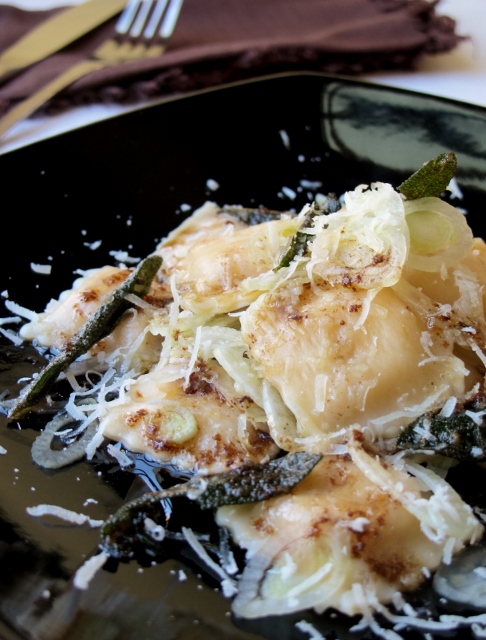
Pumpkin Ravioli with Shaved Fennel & Burnt Sage Butter

Pumpkin Ravioli with Shaved Fennel & Burnt Sage Butter

For somebody who loves feeding others, I seem to have a propensity for surrounding myself with people with serious food issues.

The omnipresence of my famously flavourphobic partner aside, my small circle of family and friends seem to be a motley crew made up of those with various intolerances, medically restricted diets, committed (and occasional) vegetarians, coriander-loathers, banana-haters and even someone who can’t eat anything green. Whilst I love feeding each and every one of them, they do, however, present somewhat of a challenge to cook for. Luckily (for them?), I do love a good challenge and catering for their specific needs and preferences does force me to try out new things. More often than not, the end results become firm personal favourites.

Which brings me to this particular recipe: Pumpkin Ravioli with Shaved Fennel and Burnt Sage Butter – a dish so insanely good, just saying the name makes my mouth water! Born out of the need to feed a friend who is a borderline vegetarian (and a selfish desire to use a ravioli mould that I bought when last in Rome), this delightful little dish is damn near pasta-perfection on a plate.

A variation of the Italian classic Ravioli di Zucca, the addition of the thinly shaved fennel is a refreshing twist, both in terms of texture and flavour. The crisp fennel and lemon cuts through the richness of the pumpkin/pasta parcels and burnt butter, giving the original dish much needed balance.

This satisfying dish makes for an amazing starter, as it does a worthy main.

For more Italian recipes from The Muddled Pantry, please click here

Click here for the recipe

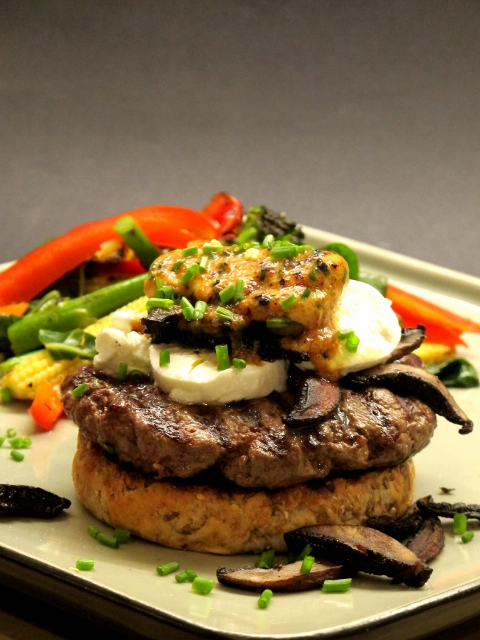
Beef Burgers with Mushrooms, Goat’s Cheese & Miso Butter

Beef Burgers with Mushrooms, Goat's Cheese & Miso Butter

Sometimes you end up making the best food when you’ve got absolutely nothing in the fridge and this delicious burger is the perfect example of exactly that! It all started one evening with an unexpected hankering for a mushroom cheeseburger. Unfortunately I only had the mushrooms available, so I did a bit of fridge-diving and came up with this delectable combination instead.

Luckily I knew there was still a bit of goat’s cheese leftover from when I last made my favourite quinoa salad; so that was cheese covered, but to be honest the thought of just mushrooms and goat’s cheese didn’t quite seem enough. I figured what this burger really needed was a punch of flavour, so I dove a little further and found some miso butter that had been lurking in the frozen depths of my freezer for the best part of a month. I knew the miso butter worked well with beef as I had been topping my steaks with it, so it wasn’t much of a leap to stick it on a burger patty instead. Punch of flavour? Most definitely sorted.

In terms of flavour, this burger just about has it all – the creamy goat’s cheese and fresh chives work a treat with the earthy mushrooms, whilst the salty miso butter with the juicy burger patty is the very definition of an umami moment.

This is definitely a case of fridge-diving come good, oh so good!

Click here for the recipe

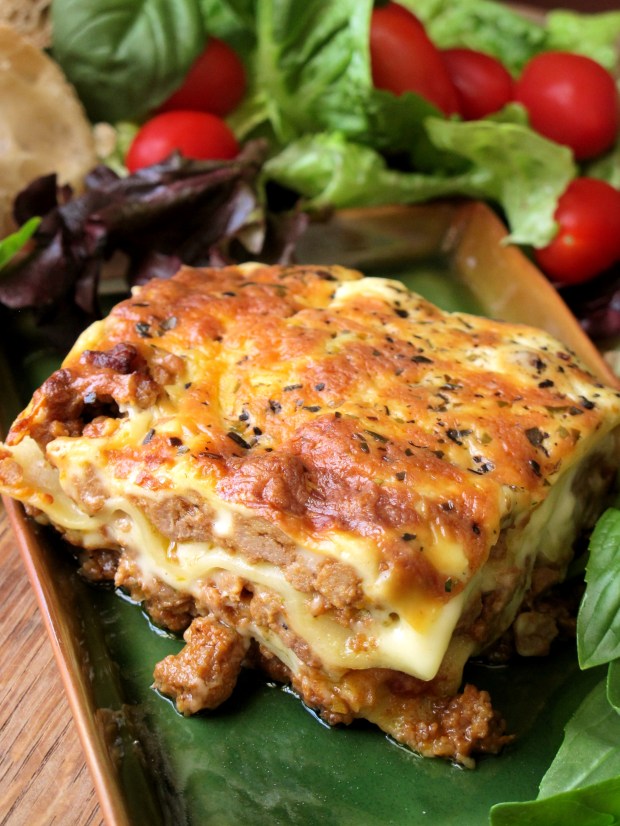
Lasagne

It may not be considered the most exciting meal these days, but lasagne will forever be a dish close to my heart.

Believe it or not I was a painfully fussy eater when I was a child and lasagne was one of the few dishes I really enjoyed. Fuelled by an unhealthy affinity with Garfield the Cat, my youthful appetite for lasagne was as insatiable as  that of the grumpy ginger feline himself! Whenever my mother asked what I wanted to have for a special occasion the answer was always the same: lasagne, lasagne, lasagne!

In a world obsessed with carb-cutting, the humble lasagne has become somewhat of a relic of family style cooking – a dish that your good old mum would make because she doesn’t know any better or hasn’t bought a new cookbook since 1985. A crying shame really, as this oven-baked Italian classic is a victim of its own popularity. Much like the equally misunderstood and shamelessly corrupted Spaghetti Bolognese, lasagne is in fact a dish of noble proportion and should be appreciated as such. Made well and with love, lasagne is truly a paragon of pasta perfection.

Rich and layered, lasagne is to food what a hot water bottle is to a winter’s bed: the ultimate comfort. To build the perfect lasagne each layer must be generous and distinct, a balanced ménage à trois of punchy ragu (meat sauce), cheesy béchamel sauce and silky pasta.

Lasagne also needs time to rest before serving. Allowing it to cool down will afford each layer the opportunity to solidify its presence in the overall dish and not be overwhelmed by the molten maelstrom of flavour that is a lasagne immediately after it’s taken out of the oven. At least half an hour is needed for everything to cool down although a couple of hours would be better, but overnight in the fridge would be ideal.

Lasagne reheats wonderfully in the microwave in just a few minutes or in an oven (covered in foil) at 180°C for about 15 minutes.

For more Italian recipes from The Muddled Pantry, please click here

Click here for the recipe

Classic Hamburger

Classic Hamburger

Burgers are, without doubt, this year’s sushi.

Yes it is official, the Foodie Overlords have decreed that burgers are just too cool for school and I am, quite literately, lovin’ it. I’m not sure what the exact reasons are for this up-swing in the humble burger’s popularity, but it is way overdue and long may it continue! So to whomever designated 2015 the Year of the Burger, I just want to say a hearty thank you!

So okay yes I am supposedly avoiding carbs these days, but burgers have always been my Achilles Heel and, as such, one of my favourite cheat-meals…but I know I’m not alone. In terms of Western food, there is nothing quite as satisfying or as iconic as a good burger. Their popularity is almost universal and enduring, in spite of fast-food’s attempts at turning us against them (no, I don’t consider a Big Mac a real burger – I scarcely consider it food)!

But what is it about burgers that keep us coming back for more? Is it their irrepressible retro-Americana charm? Maybe its the sheer “junk-food” decadence that burgers came to represent in the 90/00’s; a symptom, if you will, of the “mum says don’t eat it, so I want it more” syndrome? I just don’t know, but I will tell you this: a good burger is damn hard to beat!

Of course, with renewed popularity comes the inevitable desire for ‘reinvention’. It happens to even the noblest of foods: sushi got cream-cheesed & biltonged, smoothies got iced & goji-berried, coffee got lost in soya & hazelnut and now, burgers have become classy.

Now don’t get me wrong, there is absolutely nothing wrong with a classy burger; I even have a few concoctions of my own that I wish to share (wait till you try my miso butter, goats cheese & mushroom burger!).  With hordes of hip burgers-bars popping up all over the place, the market is awash with every kind of burger you can imagine. These days you can’t seem to get away from the promise of wagyu patties, truffled mayo and unmani ketchup – all utterly delicious, but all utterly superfluous to the crafting of the perfect burger. Seriously, enough already. The Fonz lived without chipotle salsa and trice-cooked fries and so will you! So whilst I appreciate the ingenuity of some of the more outlandish toppings offered, burgers are at heart the epitome of unpretentious eating and we must never lose sight of that.

Okay, so what does maketh the perfect hamburger then?

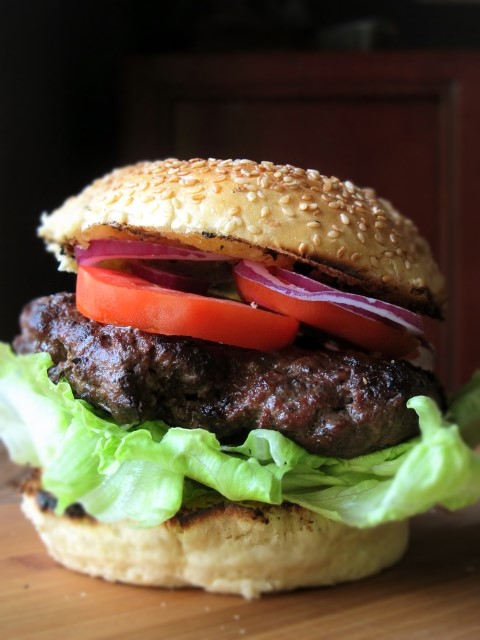
For me it is all about doing the basics well. Sure you can add cheese, gherkins, bacon into the mix, but all that extra stuff comes down to preference and taste. The essential building blocks of a true hamburger are simply these:  a homemade flame-grilled patty slavered in a decent basting sauce, a quality sesame bun which has been lightly toasted and the Holy Trinity of Burger Toppings being ice-berg lettuce, sliced tomato and onions.

Finished and klaar.

Click here for the recipe