Main Meal

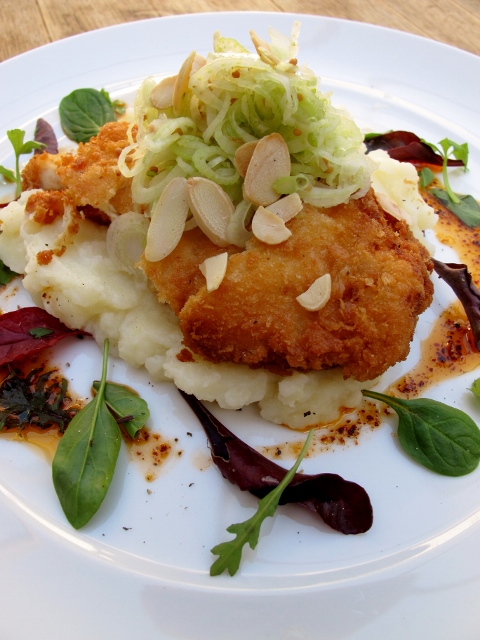
Chicken Katsu with Warm Fennel & Almond Salad and Sichuan Chilli Oil

Chicken Katsu with Warm Fennel Salad and Sichuan Chilli OilInspiration is occasionally born out of apathy and the origins of this tasty meal were no different.

Feeling particularly uninspired one evening, I decided to forgo my usual practice of preparing two completely separate meals for dinner and instead decided to do the unthinkable – eat the same dinner as my partner! Now please bear in mind that this dining-convergence doesn’t happen often in my kitchen, very rarely in fact. We have wildly different tastes and normally I’m happy to make us different dinners every night, but there are occasions when I justifiably just think, “sod it” and we end up with the same meal. At least almost exactly the same, I always have to tart my own meal up, just a little!

So, “Chicken Schnitzel with mash” for two it was then! Now I must confess that the very first time I made this dish it was with some horrendous ready-made Chicken Schnitzels, wrestled from the frozen depths of my freezer. Indeed I had sunk so low, but like I said, “apathy = inspiration”.

But even in this heightened state of disinterest, I still needed something to spruce up this dire meal, so I set about rummaging through the fridge. I was looking for quick fixes and I found some; leftover pickled fennel that I had made for Kimchi Tacos – sorted! Things were starting to look up. It was only then that the inspiration started to kick-in; some toasted almond flakes were added to the fennel and Sichuan Chilli Oil, leftover from when I last made Dan-Dan Noodles, found its way onto the plate! Whilst this was fast turning into an inspired concoction, the addition of these two ingredients turned out to be culinary-dynamite! With just a few simple twists this meal went from turgid to terrific!

Note: The chicken in this dish has since morphed into Japanese Chicken Katsu, but there is nothing wrong with using good old chicken schnitzel instead (homemade or otherwise). For all extents and purposes Chicken Katsu and schnitzel are pretty much the same thing, but my need to complicate things for myself is, sadly, inherent and overwhelming.
Click here for the recipe

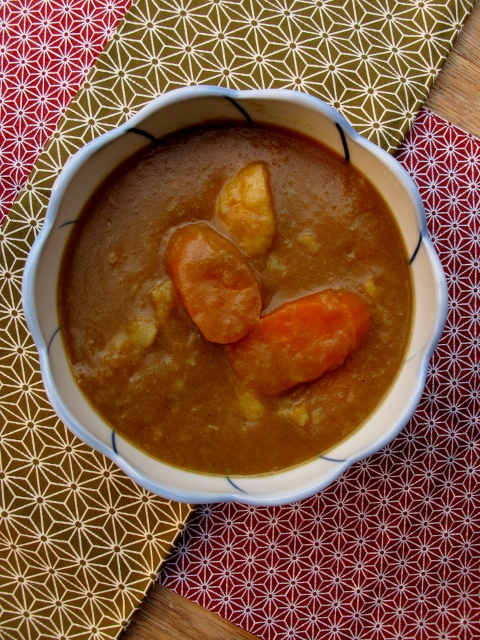
Karē Sōsu カレーソース (Japanese Curry Sauce)

Karē (Japanese Curry Sauce)Reminiscent of those dreadful British school-dinner curries of the 80s and akin to the sort of curry sauce that is poured over chips in the UK or currywurst in Germany, at first glance Japanese curry is mild, bland and, to some at least, inoffensive to the point of being offensive. That may all seem a tad harsh, but the comparison is far from unjustified, especially when you consider that curry was first introduced to Japan by the British (of all people) in the early 1900s! With that in mind however, it is all too easy to be unduly disparaging about Japanese curry and you shouldn’t, as it is actually quite delicious.

Generally speaking, in Japan karē is served as a sauce (sōsu) rather than a curry made with meat, so you are unlikely to find a chicken or beef curry per se. You are of course welcome to add some meat to the curry sauce as it cooks, but I prefer to pour it over a crisp crumbed cutlet (tonkatsu/chikenkatsu) or add it to a pile of gyūdon. Typically eaten with rice or udon noodles, karē is so popular it is considered one of Japan’s national dishes and is readily available throughout the country, both at specialist restaurants or as an option on menus at most gyūdon or noodle joints.

What sets karē apart from other curries is the fact that it is made with a roux, which enriches and thickens sauce. There are a wide range of Japanese curry/roux cubes available at most Asian supermarkets and these are well worth the expense as they are really the only specialist ingredient in the karē sōsu. Alternatively, you can use Japanese curry powder instead. If, however, neither of these are available you can just use a mild curry powder, but the flavour won’t be as authentic.

For more Japanese recipes, please click HERE or to find out more about how to stock a Japanese Pantry, please click HERE

Click here for the recipe

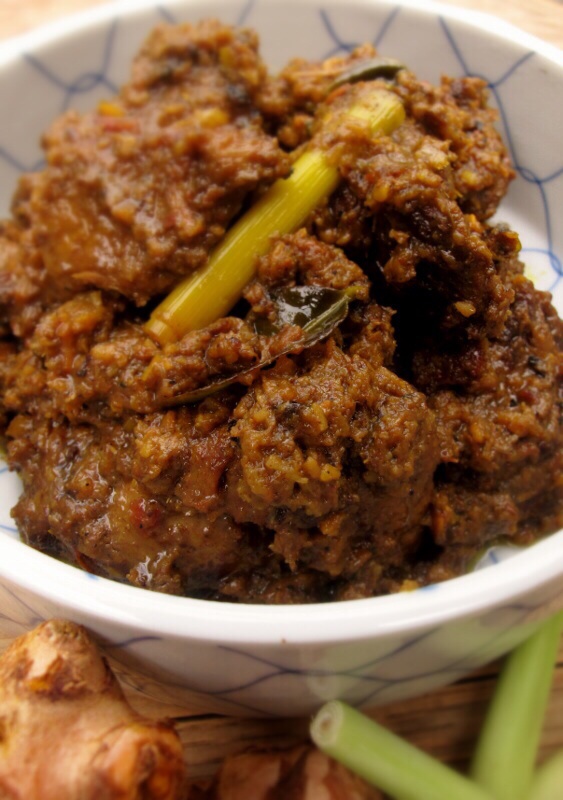
Rendang Daging (Beef Rendang)

Beef RendangSome mornings I wake up with one word in mind: “rendang!”. I think it’s probably just a Malaysian thing, but this is a dish I literally dream about.

Beef Rendang is perhaps the most beloved Malay meal and is often the go-to main dish for many a family feast or special occasion. With its origins rooted in Indonesia, rendang is popluar throughout South East Asia, especially amongst the Malays in Malaysia and Singapore. Although not widely known outside the region, a 2011 online poll by CNN International chose rendang as the number one dish of their ‘World’s 50 Most Delicious Foods’. Yes, rendang really is that good!

Rendang, however, seems to appeal the most to expat Malaysians. In spite of its long cooking time, rendang is relatively easy to make and can withstand a certain degree of adaptation – something that is vital given the inherent difficulties in stocking a Malay pantry abroad. On a deeper level, though, cooking up a batch of rendang can sometimes feel like an affirmation of our shared cultural identity; a reconnection to our collective culinary memories, through taste. This is the real reason for rendang’s enduring popularity; for many of us it, quite simply, tastes of home.

Ostensibly a curry, rendang is in fact what is known as a dry-curry. Cooked over an extended period, the aromatic coconut sauce is reduced to the point until it clings to the tender beef. This prolonged reduction creates an intensity of flavour that can only be described as explosive. As with all curries, a rendang benefits immensely from being made the day before serving; a night in the fridge gives the flavours time to develop and mellow. Your rendang will be all the better for your patience.

To discover other delicious Malaysian recipes from The Muddled Pantry, please click here

Click here for the recipe

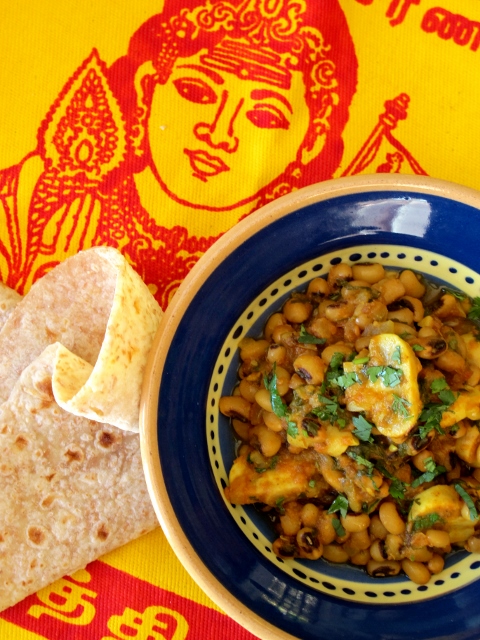
Lobia Khumbi (Black-eyed Beans with Mushrooms)

Sometimes the best meals come into your life quite unexpectedly and they stay with you forever – this is such a dish!

Many years ago I was planning a dinner party and one of the guests came with a painfully long list of dietary restrictions, chief amongst them being the double-act of inconvenience that is veganism and gluten intolerance! As I suffer from neither affliction, my instinctive response was just to cancel the dinner altogether, problem solved! Never one to back down from a culinary challenge, however, I decided to go ahead with the dinner after all and serve the mother of all vegan cuisines – I went Indian.

Lobia Khumbi (Black-eyed Beans with Mushrooms)Your rogan joshs and butter chickens aside, Indian food is perhaps the most karma-conscious cuisine in the world. With a mind boggling array of vegan and vegetarian dishes to choose from, one is never short of tasty delights from the sub-continent. An Indian feast is always a great option for a dinner party as the multiple dishes needed, allow you to cater for a wide range of tastes and needs, all without compromising the overall success of the meal. Generally speaking, whether the dish be vegan or laden with meat, all Indian food goes well together.

Which brings me to this particular recipe. Lobia Khumbi (Black-eyed Beans with Mushrooms) is a great addition to any Indian spread, be it part of a full-on feast or humble midweek meal. Hearty, wholesome and filling, this dish is so good it could almost turn me vegan! Whilst the black-eyed beans add an earthy undertone that balances out the spices, the mushrooms are actually the star of the dish, adding a “meatiness” that appeals to both meat-eaters and vegetarians alike. Add some tarka dhal and rice to the mix and you have a meal fit for the most pious (and discerning) monk. Who knew that good karma could ever be so damn dharma-delicious.

For more of my top picks for an Indian feast, please click here, or for more great Indian recipes from The Muddled Pantry, please click here

Note: this dish also makes an excellent alternative to your traditional sides dishes like mash potato, as it is mild enough to “fit” comfortably alongside most flavours. I recently served it with some pan-fried fish, sautéed kale and a tomato lemon butter sauce and it was absolute fusion-heaven!

Click here for the recipe

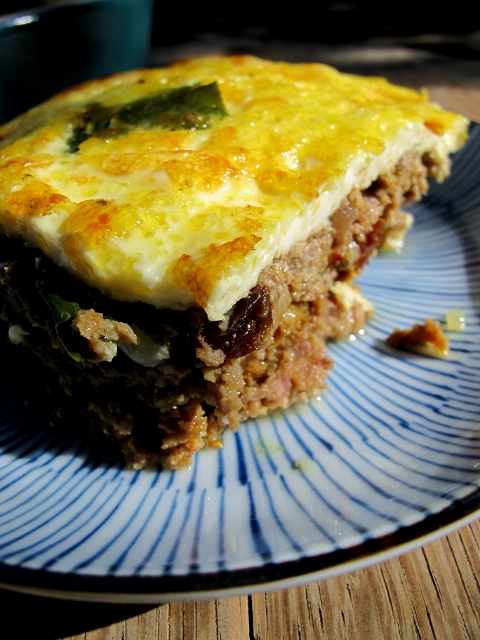
Cape Malay Bobotie

BobotieUnique to South Africa, bobotie is the platypus of international cuisine. Neither a pie nor a meatloaf, both sweet and savoury, bobotie is a hybrid dish that speaks to South Africa’s many cultures and tastes. Robustly spiced, spiked with sweet raisins and topped with a soothing savory custard, bobotie is deliciously complex whilst being reassuringly rustic.

Almost always served with yellow rice and blatjangs, bobotie is typically most people’s first introduction to traditional South African food. For this reason bobotie has become synonymous with South Africa and is instantly recognisable as being an African favourite.

If you would like to read more about South African food please follow this link or for more South African recipes, please click here

Click here for the recipe

Ragu alla Bolognese

The one thing that surprised me most about Italy is how simple italian food really is; nothing is added that isn’t necessary and ingredients are given the room to speak for themselves.

In Florence we chanced upon a delightful local eatery called La Burrasca, just on the dodgy side of the Central Market. My partner, who has a famed aversion to all things “flavoursome” (with a particular loathing of garlic) fretted over whether the penne al ragu on the menu was cooked with the offending clove; after all this was Italy, they put it in everything. We asked our waiter if the ragu was made with garlic and his response was quite unexpected; “Of course not, this is ragu! It would not be ragu if there was garlic!”. Delighted, my partner ordered it and loved it. So much so, he ordered it three nights in a row!

So the humble ragu taught me an important lesson in italian cooking: keep it simple. It seems the obligatory addition of garlic to all Italian dishes is a culinary assumption most of us are all guilty of making. Unsurprisingly, the Italians harbour an aversion to extraneous elements being added to their most treasured dishes. Why mess with Tuscan perfection? After all a ragu is a ragu and you don’t need to add garlic to make it taste italian.

For more Italian recipes from The Muddled Pantry, please click here

For more pasta recipes from The Muddled Pantry, please click here

Click here for the recipe

Risotto Bianco (White Risotto)

This is risotto’s ground-zero; risotto stripped right back to it’s bare bones of rice, stock and cheese – the basics.

Risotto Bianco is, in essence, the root-recipe for all risotto but don’t be fooled, just because it’s simple doesn’t mean that it isn’t incredibly tasty! In this risotto, the cheese is the true star of the show; without any other strong flavours compete with, the parmesan takes centre-stage and boy, does it shine!

A cheese lover’s dream come true, Risotto Bianco is blissfully velvety, coddlingly rich and packs a knock-out parmesan punch that leaves you wanting more. This is home cooked comfort food at it cheesy best.

With a dish this simple, it is always tempting to add additional flavour elements to the risotto itself. If it were my risotto I wouldn’t, as this would detract from the essence of the dish but of course I’m not the person making your risotto; it’s your kitchen and ultimately you are in charge! However, if you do decide to add ingredients to the recipe just don’t go overboard. Personally, if I wanted to bring some additional elements to the dish, I would rather serve the risotto as an accompaniment to a main meal. Perhaps pairing it with something like grilled chicken breasts (simply marinated in garlic, thyme and lemon), some rocket and oven-roasted cherry tomatoes.

Should you like to read more on my thoughts on risotto, please click here

For more Italian recipes from the Muddled Pantry, please click here

RECIPE NOTE: The rice quantities for these recipes vary depending on the number of people you are feeding and whether you intend making the risotto as a main meal or an accompaniment. As a general rule of thumb, I use approx. 70-80ml of rice per person for a main meal and 50-60ml as an side dish. Generally, risotto recipes on my blog are based on 2 people eating a full portion.

Click here for the recipe

Risotto Rosso (Red Wine Risotto)

Now I adore red wine, really I do but it has taken me a long time to get my head around the mere idea of risotto rosso. It’s not that I was adverse to using wine in cooking; like most of us, I regularly add red wine to braises and stews but to add it to a risotto? It just seemed wrong. And its not just me, generally people do seem a bit put off by the notion of a red wine risotto, which is a shame as it really does make for a delicious meal. I know this because I eventually tried it for myself and discovered that I was wrong, oh so wrong.

One evening, whilst making a risotto, I was momentarily gripped by a flash of culinary adventurism and reached for the red and not the white! In a splash there was no going back, I was having ruby colored risotto for dinner! It wasn’t without trepidation that I took my first bite, followed by my second, then third – all too soon I was licking the plate (sorry, over-share)! It was incredibly tasty and satisfying, everything you’d want from a risotto.

Risotto rosso works especially well as an accompaniment to most meat dishes, although I wouldn’t serve it with anything cooked in red wine as this would just be overkill. It is however, particularly good when served with a juicy steak and a rocket salad!

A word of advice though, the wine will be the prominent flavor in the risotto so you really should try to use a decent red when making it!

Should you like to read more on my thoughts on risotto, please click here

For more Italian recipes from the Muddled Pantry, please click here

RECIPE NOTE: The rice quantities for these recipes vary depending on the number of people you are feeding and whether you intend making the risotto as a main meal or an accompaniment. As a general rule of thumb, I use approx. 70-80ml of rice per person for a main meal and 50-60ml as an side dish. Generally, risotto recipes on my blog are based on 2 people eating a full portion.

Click here for the recipe

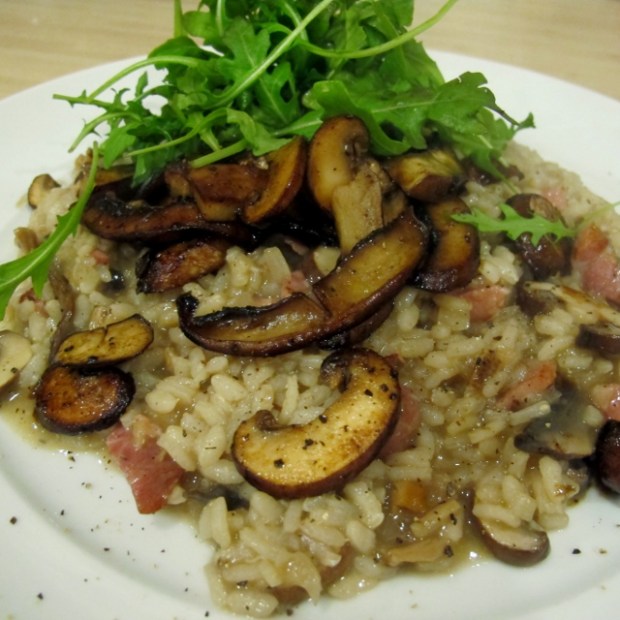
Risotto ai Funghi (Mushroom Risotto)

In my experience, when it comes to risotto most people’s frame of reference seems to be the omnipresent mushroom risotto. In fact, I would wager that precious few have ever tired any other sort of risotto and who could blame them – mushroom risotto is utterly delicious! Given its popularity, it is tempting to dismiss mushroom risotto as de rigueur but don’t. It is for good reason that this risotto remains an enduring classic and, as a bonafide fungi-fiend, I would rate it as perhaps my all time favorite mushroom dish.

Should you like to read more on my thoughts on risotto, please click here

For more Italian recipes from the Muddled Pantry, please click here

Click here for the recipe

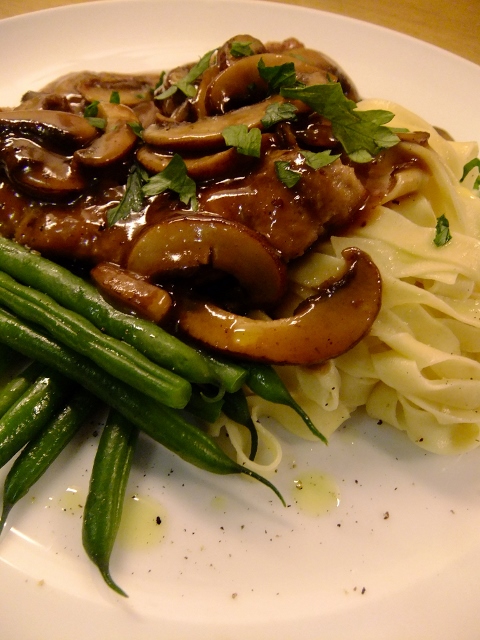
Veal Masala with Mushrooms

Much to my carnivorous delight veal has become increasingly easy to source in Cape Town and when I do chance upon it, I enviably buy some to make escalope milanaise (basically an Italian weiner schnitzel) for my partner’s dinner. I usually always make sure that there’s enough meat left over so that I can make myself one of my favourite Italian dishes – veal masala with mushrooms.

This sweet and satisfying meal is surprisingly easy to make and is just the right side of retro-dining chic without being a culinary cliché.

For more Italian recipes from The Muddled Pantry, please click here

Click here for the recipe