Main Meals

Black Pud’tanesca

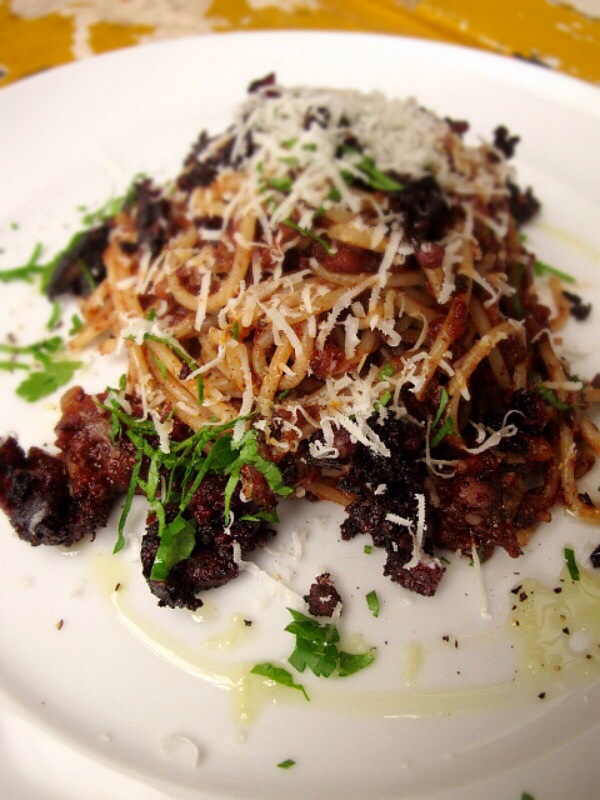
Black Pudding Pasta: Black Pud'tanescaSome days I just need to have a black pudding fix.

Yes, I know many think it’s gross, but my love of black pudding is a cherished hangover from my days when I lived in Newport, South Wales. Back then, I loved nothing more than a visit to my local greasy-spoon cafe, just off the Cardiff Road. This place was the Real McCoy: the accents were thick, the tea was brutal, the vinyl tablecloths slick with grease and the fry-ups were a full-on, no-holds barred affair – even the bread was fried! It may have been a coronary hazard, but was pure greased bliss. Even now the mere thought of fried eggs with baked beans, black pudding and fried bread is enough to make my mouth water and my arteries contract.

Thankfully these days I’m slightly more circumspect about my breakfast choices, but now and again I find myself craving a bit of black pudding. More recently however, I have been trying to find new ways of incorporating this maligned British delicacy into my cooking. As a result, it has found its way into various risottos, been served elegantly with smoked haddock and even added to salads; all delicious, but by far my favourite effort has been Black Pud’tanesca! Akin to a punchy traditional Puttanesca, this robust pasta sauce is not for the fainthearted. A gutsy dish, big on flavour, it had me hooked with my very first bite; each successive mouthful was followed by an “oh my God, that’s amazing!”, culminating in a flurry of unashamed plate-licking, a second helping and more “oh my God”s!

Seriously good, easy to make and impossible to forget, this humble pasta sauce will forever change the way you see black pudding. Be brave and prepare to be amazed; if you’ll forgive the pun, this recipe is bloody delicious!
Click here for the recipe

One-pot Lamb with Orzo

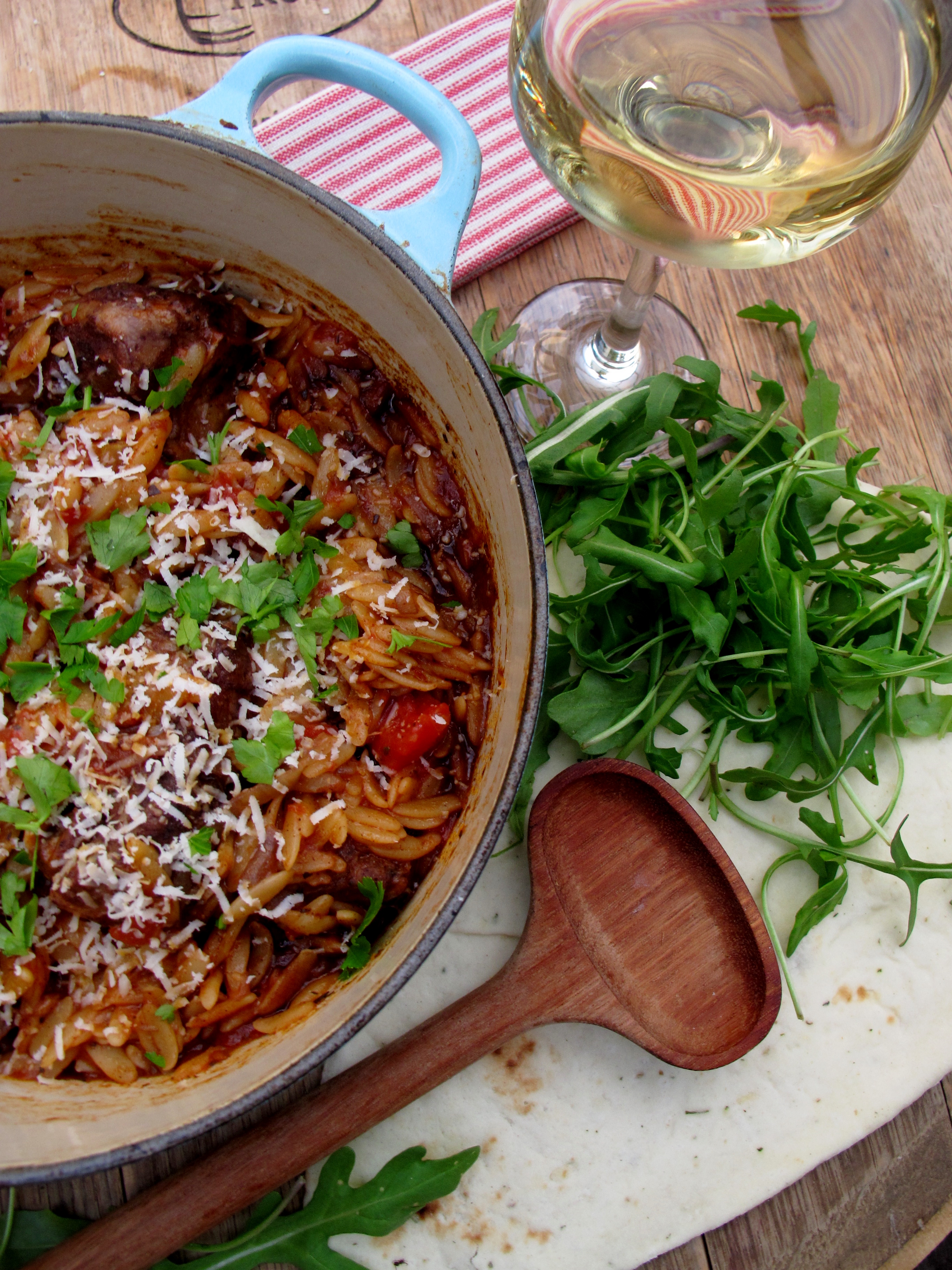
One-Pot Lamb with OrzoTired of doing loads of dishes? Need a one-pot wonder meal that even the kids will love? Then this is the recipe for you. This is simple, relaxed cooking at its best and is sure to become a firm family favourite!

Not to be confused with the Greek liqueur Ouzo, Orzo is a diminutive Italian pasta which resembles a large grain of rice. Unlike other pastas that are usually served with a sauce, the orzo in this recipe is actually cooked in the pot along with the lamb and tomatoes. This method of cooking the pasta allows the orzo to absorb the nuances of the sauce, resulting in a dish that is simply bursting with flavour!

Click here for the recipe

Keralan Fish Molee

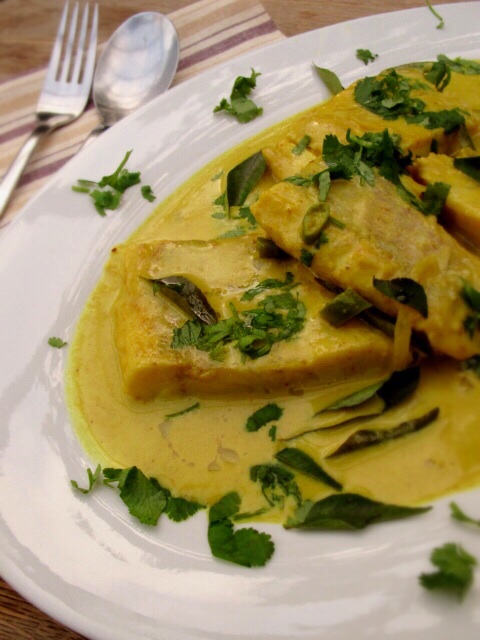
The concept of a fish curry seems to freak people out. So much so, the mere suggestion of it usually elicits looks of suspicion and a chorus of “ugh!” and “ewww!“. Such reactions have always confounded me because fish curry is, in a word, delicious. Over the years I have tried to introduce my sceptical dinner guests to the delights of fish curry and I have found the most success with molee.

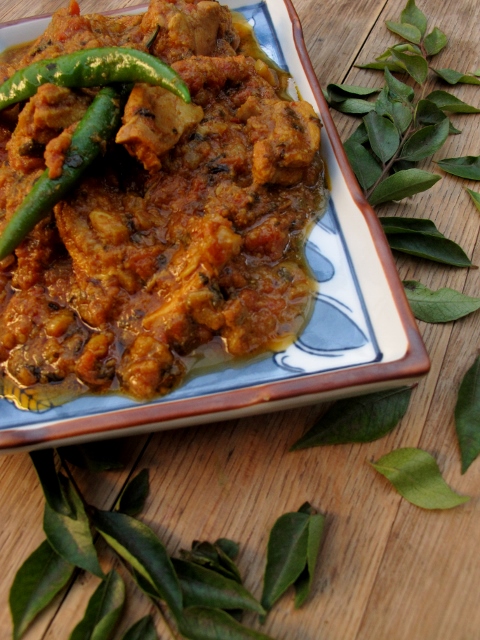
Keralan Fish MoleeA speciality of Kerala in Southern India molee is, strictly speaking a fish stew, but with its rich and fragrant coconut sauce it can still be considered a curry. Simple to make and requiring very few ingredients, molee is surprisingly complex in flavour and makes a great addition to any Indian meal.

Aside from the fish, the key ingredient to molee are curry leaves. The dish benefits immensely from fresh curry leaves, but if you can’t find these then dried leaves will do at a pinch. Whenever I manage to find fresh curry leaves I always make sure I freeze some, as these will still be superior to dried.

Still not convinced about fish curry? Give molee a go and trust me, before you know it you’ll be tucking into some Fish Head Curry!

For more of my top picks for an Indian feast, please click here

Click here for the recipe

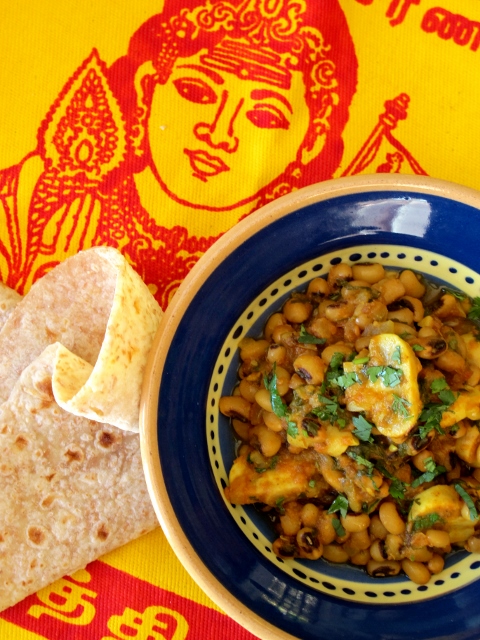
Lobia Khumbi (Black-eyed Beans with Mushrooms)

Sometimes the best meals come into your life quite unexpectedly and they stay with you forever – this is such a dish!

Many years ago I was planning a dinner party and one of the guests came with a painfully long list of dietary restrictions, chief amongst them being the double-act of inconvenience that is veganism and gluten intolerance! As I suffer from neither affliction, my instinctive response was just to cancel the dinner altogether, problem solved! Never one to back down from a culinary challenge, however, I decided to go ahead with the dinner after all and serve the mother of all vegan cuisines – I went Indian.

Lobia Khumbi (Black-eyed Beans with Mushrooms)Your rogan joshs and butter chickens aside, Indian food is perhaps the most karma-conscious cuisine in the world. With a mind boggling array of vegan and vegetarian dishes to choose from, one is never short of tasty delights from the sub-continent. An Indian feast is always a great option for a dinner party as the multiple dishes needed, allow you to cater for a wide range of tastes and needs, all without compromising the overall success of the meal. Generally speaking, whether the dish be vegan or laden with meat, all Indian food goes well together.

Which brings me to this particular recipe. Lobia Khumbi (Black-eyed Beans with Mushrooms) is a great addition to any Indian spread, be it part of a full-on feast or humble midweek meal. Hearty, wholesome and filling, this dish is so good it could almost turn me vegan! Whilst the black-eyed beans add an earthy undertone that balances out the spices, the mushrooms are actually the star of the dish, adding a “meatiness” that appeals to both meat-eaters and vegetarians alike. Add some tarka dhal and rice to the mix and you have a meal fit for the most pious (and discerning) monk. Who knew that good karma could ever be so damn dharma-delicious.

For more of my top picks for an Indian feast, please click here, or for more great Indian recipes from The Muddled Pantry, please click here

Note: this dish also makes an excellent alternative to your traditional sides dishes like mash potato, as it is mild enough to “fit” comfortably alongside most flavours. I recently served it with some pan-fried fish, sautéed kale and a tomato lemon butter sauce and it was absolute fusion-heaven!

Click here for the recipe

Kadhai Murgh (Chicken Kadhai)

One of my staple Indian curries, Chicken Kadhai regularly features in almost all Indian meals I make; big or small.

Kadhai ChickenThe key ingredient in this curry is the kasoori methi (dried fenugreek leaves) as it adds a distinct flavour that is both delicious and alluring. Although widely available from spice markets, kasoori methi isn’t a flavour many are accustomed to and makes a nice change from the typical curry flavours most people normally encounter.

A personal favourite, to my mind this curry tastes and smells of India herself; a heady blend of fragrant spices, the earthy tones of the kasoori methi – all marry into a potent assault on the senses. Just like India this curry will charm you, its flavours will linger and it will invariably leave you wanting more.

For more of my top picks for an Indian feast, please click here

Click here for the recipe

Rogan Josh

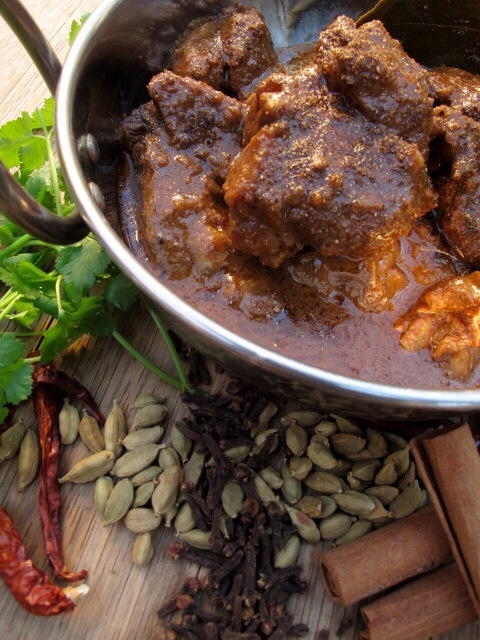
Rogan JoshArguably the King of Indian Curries, Rogan Josh is one of the most recognised Indian curries outside of India. Sadly, its ubiquitous stature has done it no favours beyond the borders of the sub-continent. Like many noble dishes before it, Rogan Josh has suffered from the inevitable gentrification that comes with Western popularity. Along with its equally maligned cousin Butter Chicken, Rogan Josh has been largely reduced to a synonym for a generic lamb curry. This is an absolute tragedy because Rogan Josh deserves its enduring popularity, it just shouldn’t have to suffer because of it.

In its true form, it is an amazing curry; incredibly tasty and surprisingly easy to make – it is my top pick for any Indian feast!

For more of my top picks for an Indian feast, please click here

Click here for the recipe

Thai Mussaman Beef Curry

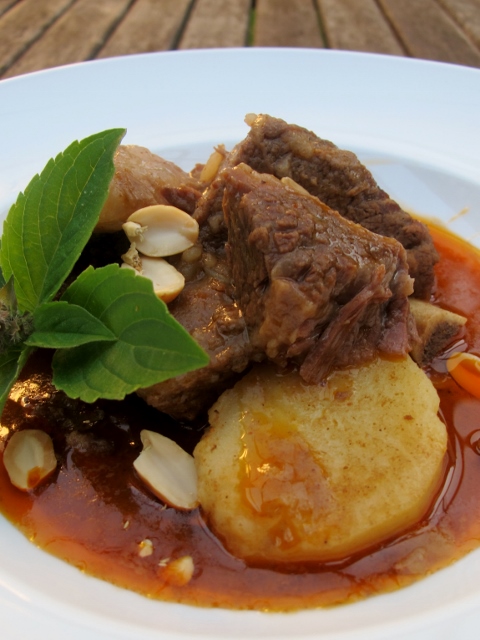
Thai Mussaman Beef CurryMussaman Beef Curry is my personal favourite of all the conventional Thai curries that we know and love; I find it has a depth of flavour that is sometimes absent in other Thai curries. In particular, the aromatics in this recipe give a smoky edge to the sauce that takes the curry to a whole new level.

The irony about this particular mussaman curry recipe is that it’s actually adapted from one by a television chef who thoroughly irked me for turning his nose up at ready-made pastes, but I must confess that I found his technique for making of this curry surprisingly authentic. Nevertheless, I still felt the need to tweak it here and there. Of course his version requires the “essential” homemade paste made out of 14 additional ingredients, my does not. Both versions taste wonderful, but only one takes half the effort and expense. I’m Asian and I know which one I’m calling my own.

For more delicious Thai recipes please click here, or if you need tips on stocking your Thai Pantry please click here.

Click here for the recipe

Cape Malay Tomato Bredie

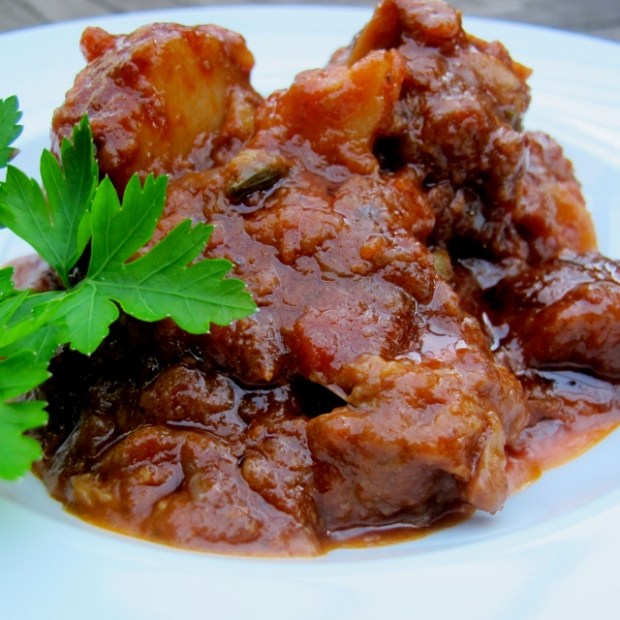
A tomato bredie is the ultimate manifestation of South African home cooking.

Ostensibly a stew, bredies form an integral part of South African huiskos (home cooking), and whilst there are a number of different types of bredies, tomato bredie seems to be the most cherished of them all. At a glance, a bredie looks like a very basic stew, but there is a key element that differentiates it from being a regular stew. Instead of simmering in a liquid like a conventional stew, a bredie is self-saucing. Absolutely no water is added to a bredie and the sauce is formed from the rendered juices and fat from the lamb, which when combined with the reduced tomato, results in an intensely flavoured gravy which transcends its humble basic ingredients.

There are quite a few tomato bredie recipes out there but I’ve always stuck with Cass Abrahams‘s recipe, albeit with some unorthodox additions of my own. Cass Abrahams is widely regarded as the incumbent mother of Cape Malay cooking and her recipes are often the starting point for many of my own.

When I initially attempted to make a tomato bredie I found the results were a bit watery and that the meat would sometimes be a little tough. I got around this by first dredging the meat in flour before browning it thoroughly and then by cooking the entire thing in the oven and not on the stove as it is usually done. Bredie traditionalists would be mortified by my preferred cooking method, but I find that cooking it in the oven helps the tomatoes break-down and creates an intensity in the gravy that you wouldn’t otherwise get when cooking it in the conventional way. I have been making my tomato bredie in this way for a number of years and they have always been a success, the meat is invariably melt-in-your-mouth tender and the sauce is thick and bursting with flavour.

If you would like to read more about South African food please follow this link or for more South African recipes, please click here

Click here for the recipe

Cape Malay Bobotie

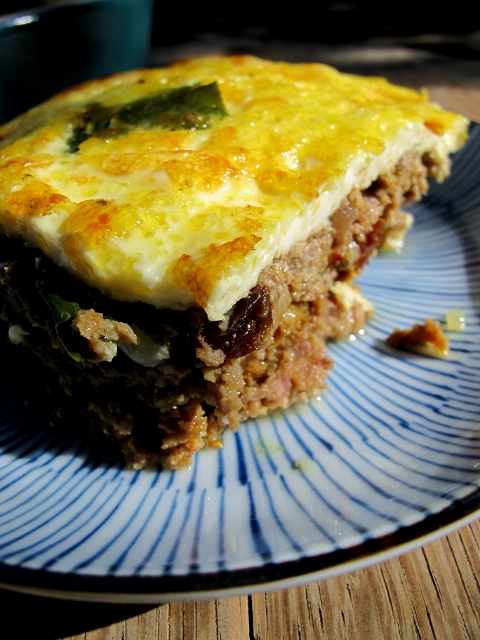
BobotieUnique to South Africa, bobotie is the platypus of international cuisine. Neither a pie nor a meatloaf, both sweet and savoury, bobotie is a hybrid dish that speaks to South Africa’s many cultures and tastes. Robustly spiced, spiked with sweet raisins and topped with a soothing savory custard, bobotie is deliciously complex whilst being reassuringly rustic.

Almost always served with yellow rice and blatjangs, bobotie is typically most people’s first introduction to traditional South African food. For this reason bobotie has become synonymous with South Africa and is instantly recognisable as being an African favourite.

If you would like to read more about South African food please follow this link or for more South African recipes, please click here

Click here for the recipe

Ragu alla Bolognese

The one thing that surprised me most about Italy is how simple italian food really is; nothing is added that isn’t necessary and ingredients are given the room to speak for themselves.

In Florence we chanced upon a delightful local eatery called La Burrasca, just on the dodgy side of the Central Market. My partner, who has a famed aversion to all things “flavoursome” (with a particular loathing of garlic) fretted over whether the penne al ragu on the menu was cooked with the offending clove; after all this was Italy, they put it in everything. We asked our waiter if the ragu was made with garlic and his response was quite unexpected; “Of course not, this is ragu! It would not be ragu if there was garlic!”. Delighted, my partner ordered it and loved it. So much so, he ordered it three nights in a row!

So the humble ragu taught me an important lesson in italian cooking: keep it simple. It seems the obligatory addition of garlic to all Italian dishes is a culinary assumption most of us are all guilty of making. Unsurprisingly, the Italians harbour an aversion to extraneous elements being added to their most treasured dishes. Why mess with Tuscan perfection? After all a ragu is a ragu and you don’t need to add garlic to make it taste italian.

For more Italian recipes from The Muddled Pantry, please click here

For more pasta recipes from The Muddled Pantry, please click here

Click here for the recipe